Targeted Regions for Long-lasting Impact
The project will operate across several strategic regions including Banjul, Kanifing Municipality, West Coast Region, Central River Region, Upper River Region, Lower River Region, and North Bank Region. These areas, characterized by diverse demographics and varying socio-cultural norms, are crucial for fostering inclusive governance. Women in these regions face different degrees of marginalization, making them ideal focal points for driving meaningful change.
By targeting these communities, the project aims to address specific local barriers to women’s political involvement, ranging from cultural and social norms to limited legal awareness. Empowering women at the community level ensures that their voices are heard and that they can influence policies affecting their livelihoods and social standing. Ultimately, the project aspires to embed gender equality deeply within local governance structures and community life.
Addressing Underrepresentation and Systemic Barriers
In The Gambia, women remain significantly underrepresented in political spaces. To date, no woman has held the presidency, and only a handful of women occupy ministerial positions or serve as members of the National Assembly. Women in politics face social shaming, online bullying, and limited support from political parties, which tend to be male-dominated. Cultural and religious norms further hinder women’s ambitions and participation.
FLAG’s project aims to challenge these systemic barriers by fostering an environment where women’s voices are valued and their leadership potential is recognized. Through targeted advocacy, community engagement, and capacity-building, the initiative seeks to create a political landscape where women’s participation is not just encouraged but institutionalized.
Project Goals and Long-term Vision
The overarching goal of this project is to significantly increase women’s access to justice and political participation, ensuring women can actively shape policies that impact their lives. Through awareness campaigns, legal empowerment activities, and strategic advocacy, FLAG aims to dismantle the barriers that limit women’s civic and political engagement.
The project envisions a more inclusive and representative governance system where women hold leadership roles at all levels—local councils, national assembly, and even the presidency. This transformation will promote gender-balanced policies addressing women’s needs and foster a culture of active civic participation. It will also strengthen the legal foundation for women’s rights, providing resources and support for justice in cases of gender-based violence and discrimination.
By inspiring future generations, the project aims to cultivate a society where women’s voices are an essential part of decision-making, leading to a more just, equitable, and prosperous Gambia.
Key Activities and Expected Outcomes
The project’s immediate activities are designed to generate tangible results quickly:
- Workshops for Women in Politics: Conducted across the seven regions, these workshops will equip women with leadership skills, strategic campaigning techniques, and awareness of their political rights.
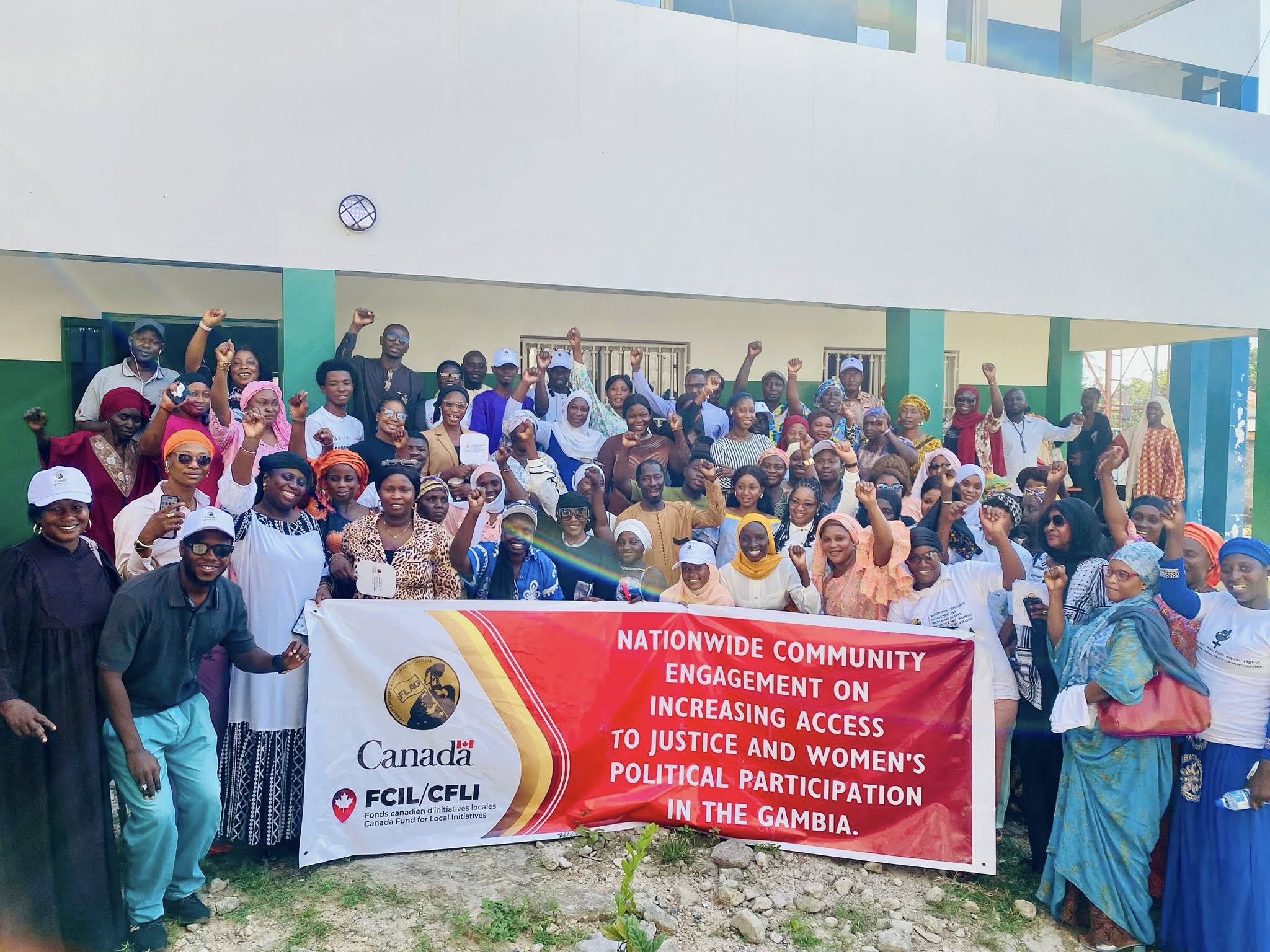
- Community Engagements: Focused on educating women about their political rights, encouraging active participation in elections, and overcoming social and cultural barriers.
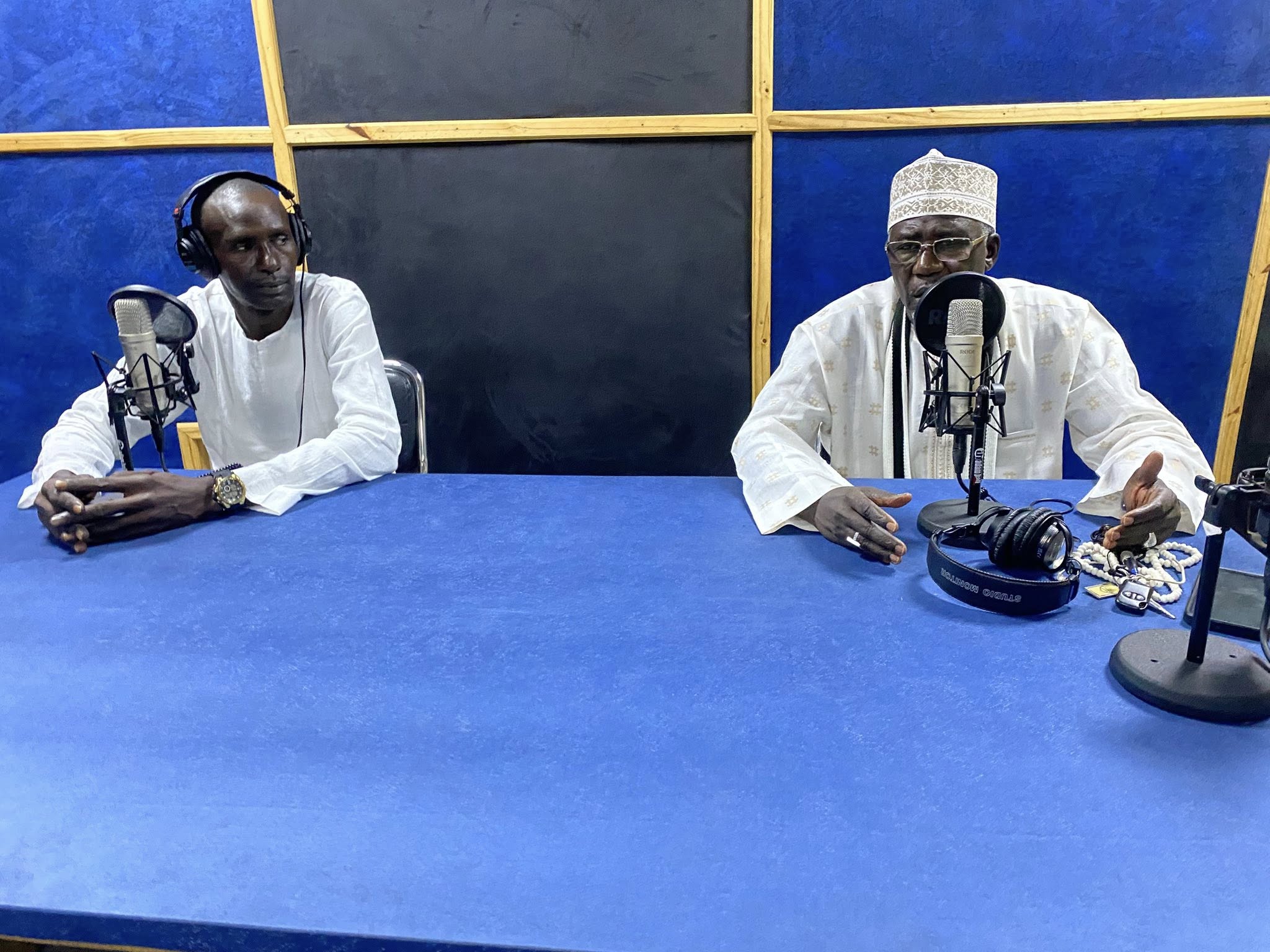
- Radio & TV Programs: Amplifying women’s voices, sharing success stories, and raising awareness about the importance of women’s political involvement to inspire community-wide support.
- Political Party Consultations: Engaging political party leaders to institutionalize women’s participation, ensuring women are included in leadership structures and decision-making roles.
 Kicking off the 16 Days of Activism and marking the International Day for the Elimination of Violence Against Women – because every voice matters, and every action counts.